- FLYBUYER
- Posts
- Flying Into a Category 5 Hurricane
Flying Into a Category 5 Hurricane

Rob Roy
November 04, 2025

Hello!
In today’s email:
How Hurricane Hunters Prepare to Face the Strongest Storms on Earth
Around the Skies: FAA clears Boeing to boost 737 production, NTSB flags critical Learjet safety issue, Another setback for Boeing’s 777X, Navy probes fuel after dual crashes, CubCrafters’ Carbon Cub breaks altitude record
PilotTube: One Hundred Strong: Epic’s Milestone E1000 GX
THE BUSINESS OF AVIATION
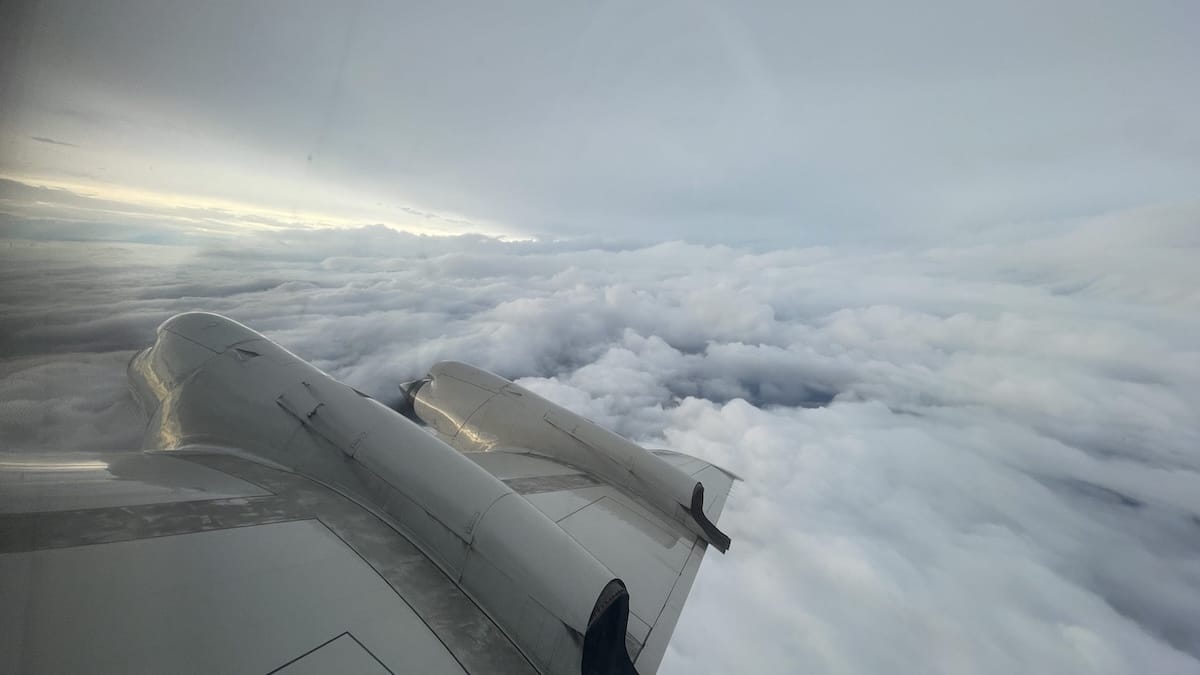
What It Takes to Fly Through the Strongest Storms on Earth: How Hurricane Hunters Turn Chaos Into Science
When Hurricane Melissa exploded into a Category 5 beast over the Caribbean last week with sustained winds topping 185 mph and a central pressure plunging below 900 millibars, it became one of the most powerful Atlantic storms on record. As the storm’s eyewall raked across Jamaica and Haiti, most aircraft gave the monster a wide berth, but a handful of pilots did the opposite. These are the hurricane hunters, the daring crews from NOAA and the U.S. Air Force’s 53rd Weather Reconnaissance Squadron who fly straight into hurricanes like Melissa to collect the data that helps forecasters save lives.

While most aviators spend their careers avoiding turbulence, hurricane hunters make it their destination. Aboard their specially reinforced aircraft such as NOAA’s WP-3D Orions nicknamed Kermit and Miss Piggy or the Air Force’s WC-130Js, crews launch into the heart of chaos. Using radar, GPS dropsondes and other instruments, they chart the storm’s internal structure, measuring wind speeds, humidity and pressure with precision. Those readings feed directly into real-time models used by the National Hurricane Center, allowing meteorologists to refine track and intensity forecasts as Melissa churns toward land.
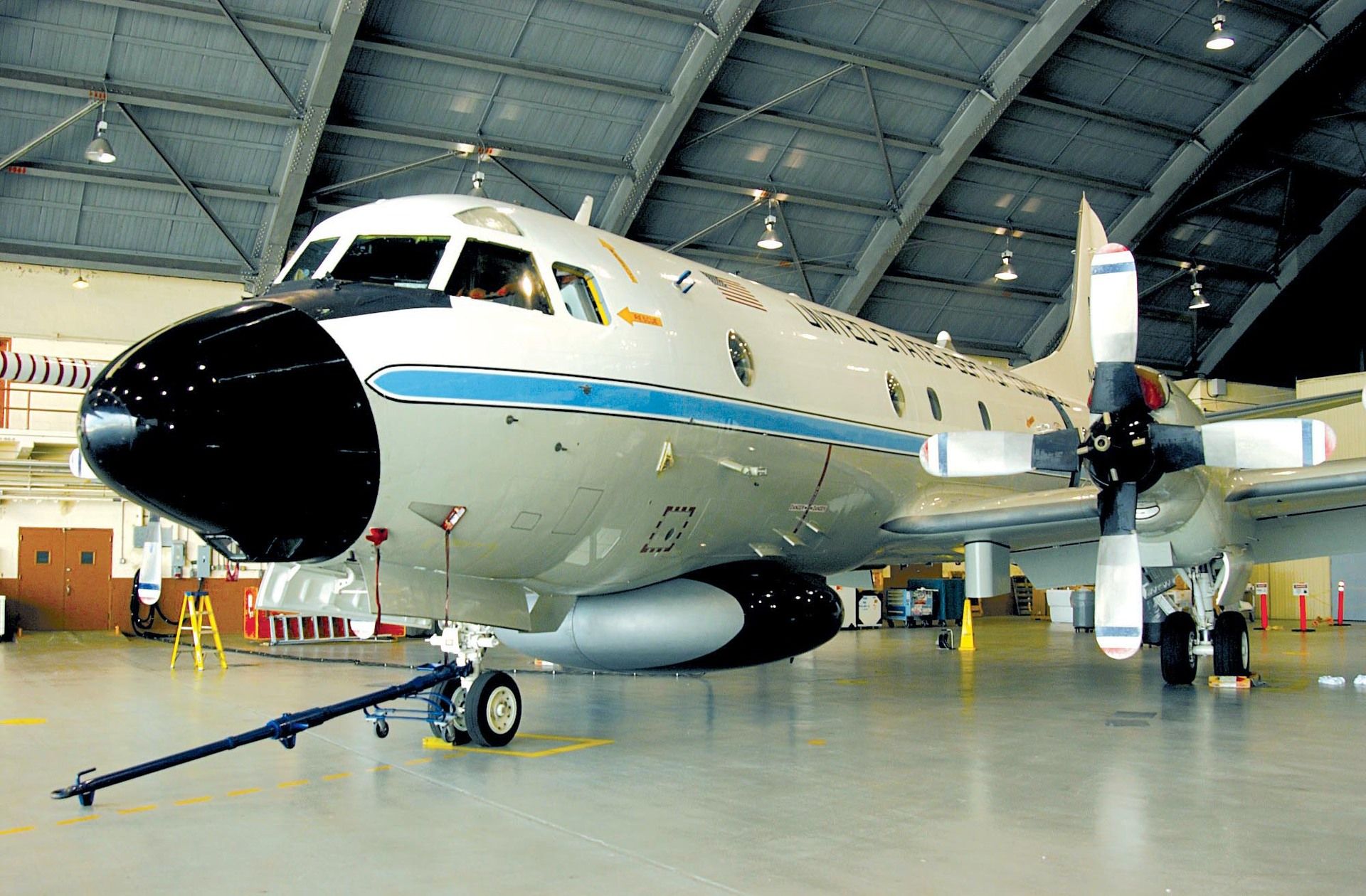
The work is both science and endurance. Pilots and scientists alike describe the jarring entry through the eyewall—a violent, blinding ride that suddenly opens into the calm blue eye of the storm. It is equal parts beauty and danger where one wrong move could spell disaster. Missions can last up to ten hours and each pass through the storm earns deep respect from both the aviation and meteorological worlds.
For the rest of us watching from dry ground, the hurricane hunters are the unsung heroes of storm season. As Hurricane Melissa reminds us, their willingness to face nature’s fury head-on is not about thrill-seeking; it is about understanding. Every time they take flight into a storm like this, they bring back the critical data that keeps millions safe when the next one forms.
Don’t Keep Flybuyer a Secret!
Help me grow the newsletter by sending this link to your pilot friends!
AROUND THE SKIES
🛩️ The FAA has cleared Boeing to raise 737 Max production from 38 to 42 jets per month, signaling cautious confidence in the manufacturer’s progress since last year’s door plug blowout. The limit was imposed after an Alaska Airlines Max 9 lost a panel midflight, prompting heightened oversight.
🛩️ The NTSB has issued an urgent warning to Bombardier Learjet operators after a fatal runway accident in Scottsdale, Arizona, where a Learjet 35A’s landing gear detached during landing and struck a parked Gulfstream. Investigators found the problem may stem from a misaligned retaining bolt, a flaw linked to several previous incidents. The agency is calling for immediate inspections on 10 Learjet models affecting nearly 1,900 aircraft.
🛩️ Boeing has once again delayed its long-awaited 777X, pushing deliveries to 2027 and taking a $4.9 billion hit in the process. The widebody jet, first expected to carry passengers in 2020, continues to face certification and supply chain hurdles. CEO Kelly Ortberg said testing is going well, but acknowledged there is still “a mountain of work” ahead.
🛩️ President Donald Trump suggested that “bad fuel” may have caused the recent crashes of a Navy Seahawk and Super Hornet in the South China Sea. The two aircraft went down within 30 minutes while operating from the USS Nimitz but all crews were rescued. The Navy has launched a full investigation with contaminated JP-5 jet fuel under review as a possible cause.
🛩️ A CubCrafters Carbon Cub UL shattered altitude expectations, climbing to 37,609 feet over California and setting an unofficial new record for Cub-type aircraft. Piloted by Jon Kotwicki, the Rotax 916 iS–powered bush plane reached the stratosphere in just over an hour, breaking a 1951 record by more than 7,000 feet. The climb, completed with support from Cal Poly, Rotax, Aerocrafted and Mountain High, showcased both engineering precision and backcountry spirit. As Kotwicki put it, “It was pretty dang cool hearing airliners on ATC wondering what a Cub was doing up there.”
PilotTube
Epic Aircraft has marked a major milestone with the delivery of its 100th certified turboprop, an E1000 GX now based in Texas. The achievement caps years of rigorous testing from “freezer to flight,” showcasing Epic’s commitment to performance and precision engineering. The 100th delivery underscores the E1000 GX’s place among the most capable and distinctive turboprops flying today.
Selling an Aircraft?
Flybuyer is a full-service aircraft brokerage with nationwide reach and video marketing. If you’re thinking about selling, let’s talk: [email protected]
Have an Aircraft I Can Film?
I’m on the lookout for airplanes to review for the Flybuyer YouTube channel. If you own, fly or have access to a piston, turbine, business jet, helicopter, seaplane, bush plane, warbird or blimp I can film, please fill out this form!
Follow @flybuyeraircraftsales on Instagram!